What Does Energy Deregulation Mean in New Jersey?
Learn what energy deregulation means for New Jersey households served by PSE&G, JCP&L, Atlantic City Electric, or Rockland Electric, and how supply…

Written by Hash Manesia
Published on Nov 9, 2026
|
10 min read
Reviewed by Jeff Mahoney

What Does Energy Deregulation Mean in New Jersey?
What Does "Deregulated" Energy Actually Mean?
Deregulated energy means the part of your bill tied to generating electricity or sourcing natural gas is open to competition, while the part tied to delivering it stays with your local utility. In New Jersey, you can pick a competitive supplier for the supply portion, but the poles, wires, and pipes that move that energy to your home remain under utility control.
Think of it as two separate jobs split apart. One company generates or sources the energy and sells it to you under a plan. Another company, the utility, physically delivers it and keeps the infrastructure running. Deregulation only touches the first job, not the second.
How New Jersey's Energy Market Is Structured
New Jersey's energy market gives you the ability to select a competitive supplier for electricity or natural gas while the state's utilities continue handling delivery. The New Jersey Board of Public Utilities oversees this structure, making sure the choice program operates within clear rules that apply to every supplier in the market.
Under this setup, supply and delivery are billed and regulated differently. Supply prices can vary by plan and by the supplier you choose, since that side of the market is competitive. Delivery charges, on the other hand, are set through a regulatory process and stay the same no matter which supplier appears on your bill.
The Role of New Jersey's Utilities in a Deregulated Market
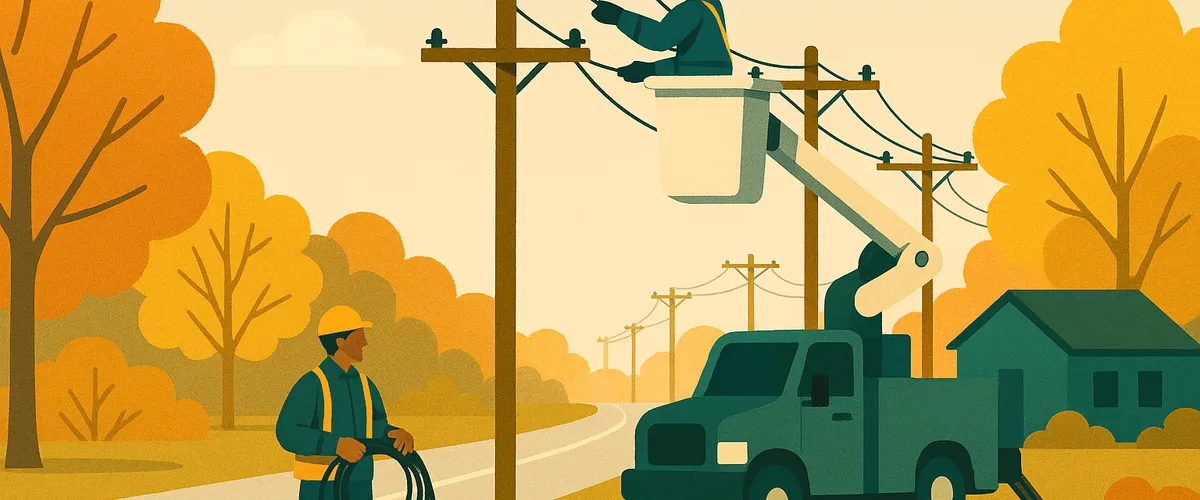
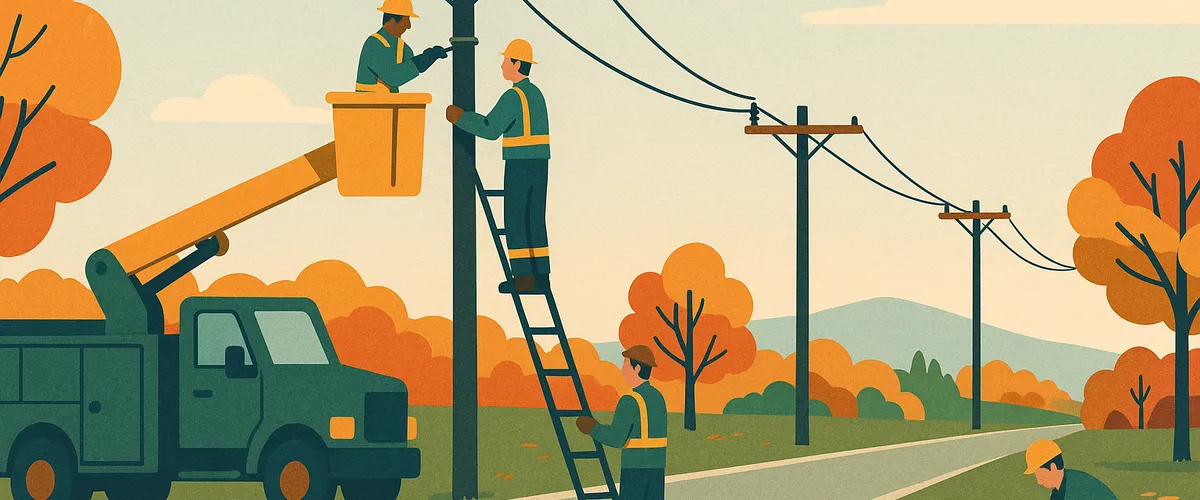
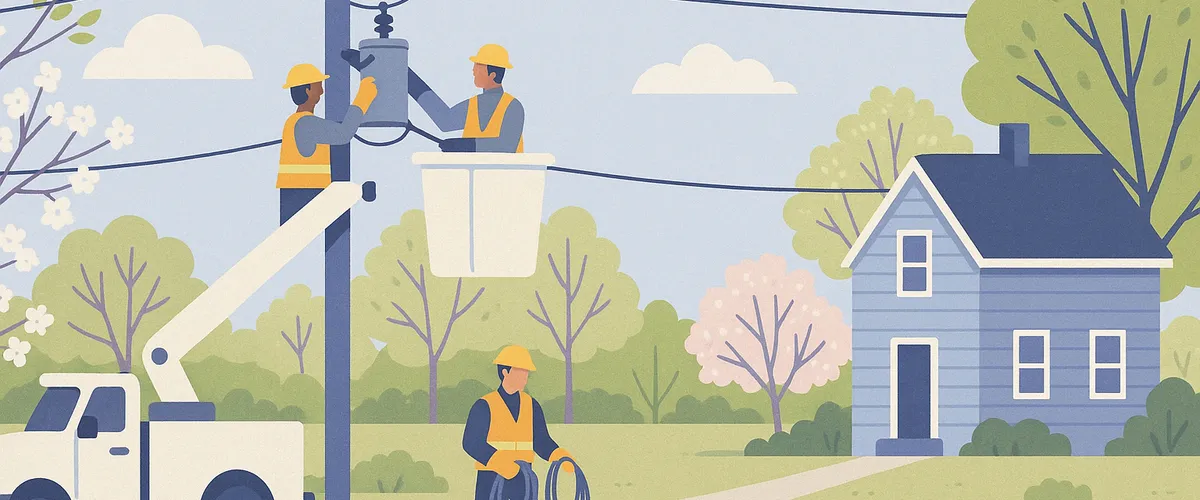
Public Service Electric & Gas, Jersey Central Power & Light, Atlantic City Electric, and Rockland Electric Company all continue to deliver energy and respond to outages no matter which supplier you choose. Switching suppliers does not change who shows up when a line goes down or who maintains the wires and pipes in your area.
These utilities also keep handling metering, billing coordination, and service connections. Choosing a competitive supplier changes who you buy your energy supply from, but it does not change your utility, your service territory, or who to call for an outage.
What Happens If You Don't Choose a Supplier?
If you don't actively select a competitive supplier, you aren't left without power or gas. Your utility arranges a fallback supply so service continues uninterrupted while you decide whether to shop around. This fallback exists specifically so no customer is ever without a source of supply.
This fallback arrangement is provided and billed through your utility rather than through a competitive supplier you've selected yourself. It's a built-in safety net in the deregulated structure, not a penalty or a sign that something has gone wrong with your account. You can typically move from this arrangement to a competitive supplier whenever you're ready to look at what other plans are available.
Competitive Suppliers Versus Utilities: Understanding the Difference
A competitive supplier sells you an energy plan, setting a price or rate structure for the electricity or gas you use. A utility owns and maintains the physical infrastructure, the wires and pipes, that carries that energy to your property. These are two distinct roles that should never be confused with one another.
- A competitive supplier sets the price and terms of your energy plan, and you can choose among different plans this way.
- A utility delivers the energy regardless of which supplier you pick, and handles outage response and infrastructure upkeep.
- Your bill may reflect charges from both, since supply and delivery are priced and regulated separately.
- Switching your supplier never requires switching your utility, since delivery stays tied to your service territory.
Why New Jersey Residents Can Choose Their Energy Supplier
New Jersey's market structure exists so you have a say in who supplies your energy, rather than being limited to a single default arrangement. This choice can matter if you're looking for a plan structure that better fits your household's usage patterns or budgeting preferences.
Some residents explore switching suppliers because they want a fixed-rate plan to simplify budgeting, while others are drawn to plans featuring renewable energy sourcing. Others simply want to review their options periodically to see what plans are currently available. Whatever the reason, the decision to switch, or to stay put, remains entirely yours to make.
How the New Jersey Board of Public Utilities Protects Consumers
The New Jersey Board of Public Utilities licenses competitive suppliers and sets the consumer protection rules they must follow before those suppliers can operate in the state. This oversight is designed to keep the choice program transparent and accountable for every resident who participates in it.
The Board's rules cover how suppliers must disclose plan terms, how they can market their services, and how disputes get handled if something goes wrong. Utilities remain separately regulated for their delivery rates and service quality. Together, this layered oversight is meant to let you shop for supply with a clear sense of the rules protecting you.
How Gatby Helps New Jersey Residents Navigate Energy Choice
Gatby helps you compare competitive supplier options in New Jersey's deregulated market and connects you with plans that match your preferences. Gatby does not generate or deliver energy itself and is never the supplier listed on your bill; that role always belongs to a licensed competitive supplier you select.
Instead, Gatby focuses on making the comparison process easier to understand, laying out plan details so you can see how different options line up against each other. Your utility continues delivering your energy and responding to outages throughout, no matter which supplier you connect with through Gatby.
Frequently Asked Questions
Is New Jersey a deregulated energy state?
Yes, New Jersey allows residents to choose a competitive supplier for electricity and natural gas supply, while utilities continue to handle delivery. This structure is overseen by the New Jersey Board of Public Utilities, which licenses suppliers and sets consumer protection rules for the choice program. Deregulation applies only to the supply portion of your bill, meaning the generation or sourcing of energy, not the physical delivery infrastructure. Your utility, whether that's Public Service Electric & Gas, Jersey Central Power & Light, Atlantic City Electric, or Rockland Electric Company, keeps maintaining the wires and pipes and responding to outages regardless of which supplier you pick. Understanding this split helps explain why your bill may show charges from two different companies and why switching suppliers doesn't mean switching who delivers your energy or who to call during a service interruption.
Will my utility change if I switch energy suppliers?
No, your utility stays the same no matter which competitive supplier you choose for your electricity or natural gas supply. Utilities like Public Service Electric & Gas, Jersey Central Power & Light, Atlantic City Electric, and Rockland Electric Company are tied to your physical service territory, not to any particular supplier arrangement. They continue delivering energy, maintaining infrastructure, and responding to outages regardless of who sells you your supply plan. Switching suppliers only changes who sets the price and terms for the energy you use; it does not change who reads your meter, who shows up to fix downed lines, or who you contact for delivery-related issues. This separation is a core feature of how New Jersey's deregulated market is structured, and it's designed so that choosing a new supply plan never disrupts your underlying utility service or connection.
What happens if I never select a competitive supplier in New Jersey?
If you don't choose a competitive supplier, your utility arranges a fallback supply so your electricity or gas service continues without interruption. This fallback is a built-in part of New Jersey's deregulated structure, ensuring no resident is ever left without a source of energy while deciding whether to shop for a plan. It's billed and provided through your utility rather than through a competitive supplier you've actively selected. There's no penalty for being on this arrangement, and it isn't a sign of a problem with your account. You can typically switch from this fallback to a competitive supplier at any point once you've compared plans and found one that fits your needs. Many residents stay on this arrangement for years without issue, while others choose to explore competitive supplier options sooner for reasons like plan structure or sourcing preferences.
What does the New Jersey Board of Public Utilities actually regulate?
The New Jersey Board of Public Utilities licenses competitive suppliers before they're allowed to sell energy plans in the state and sets the consumer protection rules those suppliers must follow. It also separately regulates utilities for their delivery rates and service quality, since delivery remains outside the competitive portion of the market. This layered approach means suppliers face rules on disclosure, marketing, and dispute handling, while utilities face oversight focused on infrastructure reliability and delivery pricing. The Board's role is to keep the overall choice program transparent and accountable, so residents can shop for supply with a clear understanding of the protections in place. It doesn't set the price of competitive supply plans directly, since that's determined by the competitive market, but it does ensure the rules governing how those plans are sold and disclosed are consistently enforced.
What's the difference between a competitive supplier and a utility in New Jersey?
A competitive supplier sells you an energy plan and sets the price or rate structure for the electricity or natural gas you use each month. A utility, by contrast, owns and maintains the physical wires and pipes that deliver that energy to your home, and handles outage response regardless of your chosen supplier. In New Jersey, utilities such as Public Service Electric & Gas, Jersey Central Power & Light, Atlantic City Electric, and Rockland Electric Company fill this delivery role across their respective service territories. These two roles are never the same company performing the same function, even though both may appear as line items on a single bill. Knowing which company does what helps you understand your charges and know who to contact: your supplier for plan or pricing questions, your utility for outages, metering, or delivery issues.
Does Gatby supply energy to New Jersey residents?
No, Gatby does not generate, sell, or deliver energy, and it never appears on your bill as a supplier. Instead, Gatby helps you compare competitive supplier options available in New Jersey's deregulated market and connects you with plans that match what you're looking for, whether that's a particular rate structure or sourcing preference. The actual supply of energy always comes from a licensed competitive supplier that you select, and delivery always continues through your utility, such as Public Service Electric & Gas, Jersey Central Power & Light, Atlantic City Electric, or Rockland Electric Company. Gatby's role is limited to making the comparison and connection process easier to navigate, laying out plan information clearly so you can make an informed choice. Your utility's responsibilities for delivery and outage response remain unchanged no matter which supplier you ultimately connect with.
Related reading
Let Autopilot take energy shopping off your plate — just enter your zip code
Table of Contents
Table of Contents
You may also like