How Does Energy Choice Work in Ohio?
A plain-language guide to how Ohio's energy choice program lets residents pick a supplier while their utility still delivers power and handles outages.

Written by Hash Manesia
Published on Oct 23, 2026
|
9 min read
Reviewed by Jeff Mahoney
How Does Energy Choice Work in Ohio?
What Is Energy Choice in Ohio?
Energy choice in Ohio means you can pick the company that sells you the electricity or natural gas you use, separate from the company that delivers it to your home. Ohio opened its energy market so residents aren't locked into one seller. The delivery side stays the same no matter who you choose to buy energy from.
This split exists because moving electrons or gas through wires and pipes is a different job than sourcing and pricing the energy itself. Ohio decided residents should have a say in the second part. The physical infrastructure — poles, wires, pipelines, meters — remains a regulated, local responsibility regardless of your supplier choice.
The Role of PUCO in Ohio's Energy Market
The Public Utilities Commission of Ohio (PUCO) oversees the energy choice program, licenses suppliers, and enforces rules meant to protect you from misleading sales practices. PUCO doesn't set competitive supply prices, but it does require clear contract disclosures and handles complaints.
PUCO maintains resources that let you check whether a supplier is properly licensed before you sign anything. It also sets rules around contract terms, cancellation rights, and marketing conduct so switching doesn't come with hidden surprises. If a dispute arises between you and a supplier, PUCO is the agency with authority to step in and review what happened.
Utility vs. Supplier: Who Does What?
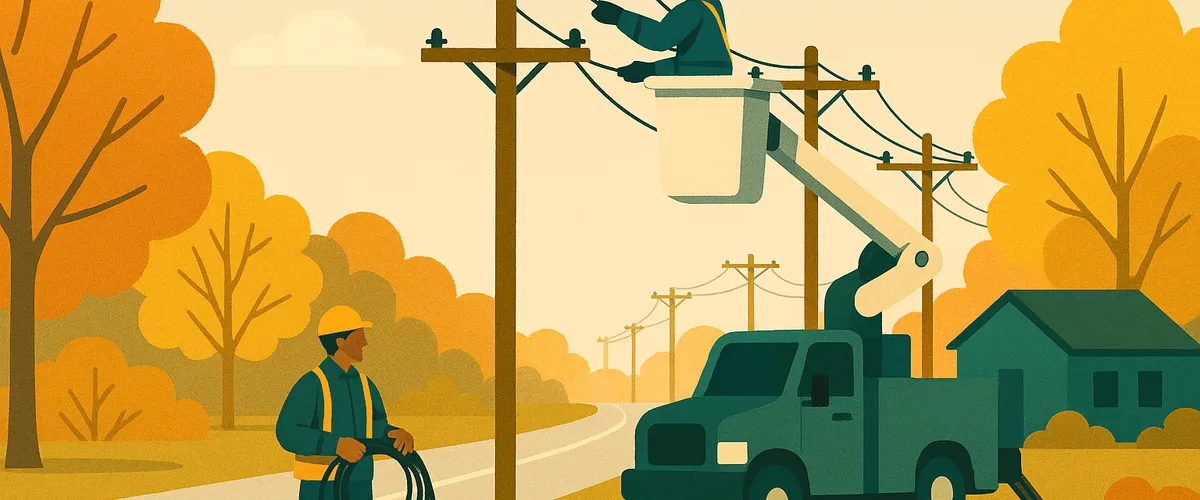
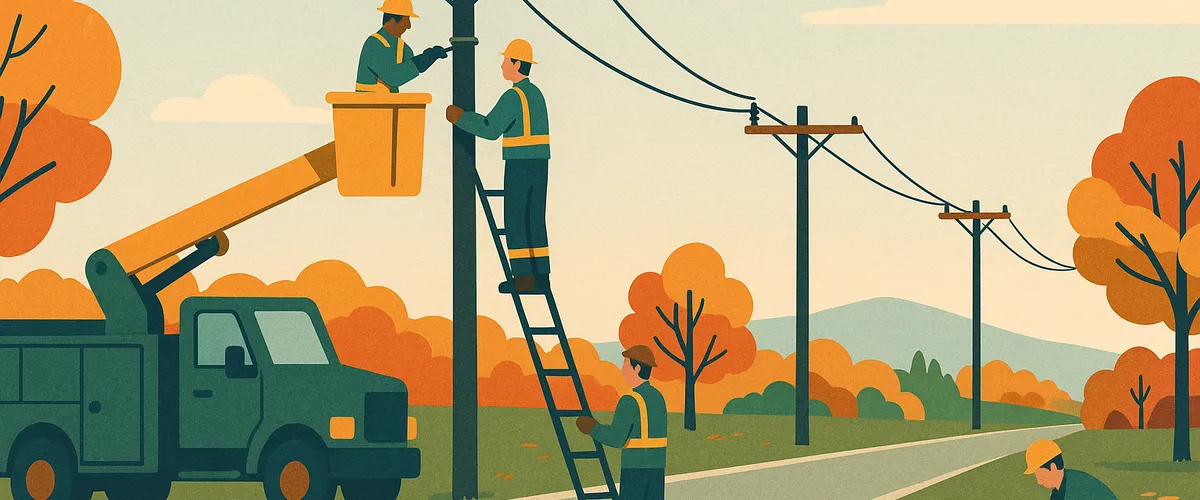
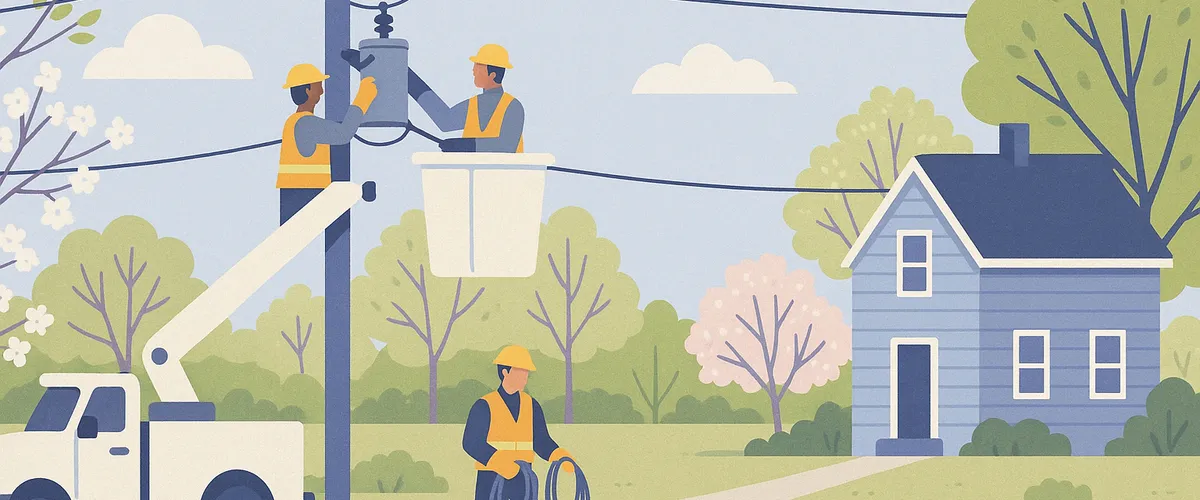
Your utility — AES Ohio, AEP Ohio, Duke Energy Ohio, Ohio Edison, Toledo Edison, or The Illuminating Company, depending on where you live — owns and maintains the poles, wires, or pipelines that physically bring energy to your home. A competitive supplier is a separate company that sells you the actual electricity or gas, and you choose it independently of your utility.
- The utility assigned to your address is fixed by your location and handles meter readings, outage response, and emergency repairs no matter which supplier you select.
- A supplier is a company you actively choose, and that choice determines how your energy usage is priced on your bill.
- Switching suppliers never changes who shows up to fix a downed line or a gas leak — that responsibility always stays with the utility.
What Happens If You Don't Choose a Supplier?
If you never select a competitive supplier, your utility arranges the energy supply for you automatically, so your service is never interrupted. You don't need to take any action to keep your lights or heat on while you decide whether to shop around.
This automatic arrangement is simply a fallback, not a penalty. Residents who are comparing options, just moved, or prefer not to deal with supplier contracts can stay on this default arrangement indefinitely. You can choose a competitive supplier later at any point, and you can also return to the default arrangement if a supplier contract ends and you don't pick a new one right away.
How to Compare and Switch Suppliers
Switching suppliers in Ohio starts with reviewing your current usage and contract terms, then comparing offers based on price structure, contract length, and any cancellation conditions. Once you pick a supplier, the switch typically happens without any service interruption.
- Check your current bill for your usage history and whether you're already under a supplier contract with an early termination condition.
- Compare contract length and whether the price is fixed or variable, since that affects how predictable your bills will be over time.
- Confirm the supplier is licensed with PUCO before signing, which protects you from unauthorized or fraudulent offers.
- Enroll with your chosen supplier, who then coordinates with your utility to begin the switch on your next meter reading cycle.
Billing and Delivery After You Switch
After you switch suppliers, your utility typically still sends you a single bill that includes both delivery charges and supply charges from your chosen supplier. The utility also remains the one you call during an outage or emergency, regardless of who supplies your energy.
Some residents receive two separate bills instead, depending on the supplier's billing arrangement, but the division of responsibility stays identical either way. Your utility reads the meter, maintains the lines, and restores power or gas service when something goes wrong. Your supplier is only responsible for the pricing and terms tied to the energy you consume, never the physical delivery of it.
How Gatby Helps Ohio Residents Navigate Energy Choice
Gatby helps you sort through supplier options by organizing plan details like contract length and pricing structure in one place, so comparing choices takes less effort. Gatby connects you with a supplier that fits your household's needs rather than leaving you to research licensing and contract terms alone.
Gatby does not sell energy or act as a supplier itself. Instead, Gatby focuses on helping you understand what a given plan actually commits you to before you enroll. For residents who find contract language confusing or don't have time to compare multiple offers line by line, Gatby's role is to simplify that research step and help manage the relationship with the supplier you ultimately choose.
Common Questions About Ohio's Energy Choice Program
Residents considering a switch often have questions about eligibility, timing, and what happens if they change their mind. Eligibility generally depends on your utility territory, and most residents within AES Ohio, AEP Ohio, Duke Energy Ohio, Ohio Edison, Toledo Edison, or The Illuminating Company service areas can participate in choosing a supplier.
Leaving a supplier typically involves reviewing your contract for any cancellation conditions, then either selecting a new supplier or allowing your utility's default arrangement to resume. Keeping track of contract renewal dates helps you avoid an unexpected automatic renewal into terms you didn't intend to accept.
Frequently Asked Questions
Who regulates energy choice in Ohio?
The Public Utilities Commission of Ohio, commonly known as PUCO, regulates the energy choice program statewide. PUCO licenses competitive suppliers, requires them to disclose contract terms clearly, and sets rules around marketing conduct so sales practices stay transparent. It also provides a way for you to verify whether a supplier is properly licensed before signing a contract, which is a useful step to take before enrolling with anyone. If a disagreement comes up between you and a supplier, PUCO is the agency with authority to review complaints and step in. PUCO does not set the actual prices competitive suppliers charge, since that's part of what makes the market competitive, but it does make sure the rules of that competition are followed. Understanding PUCO's role helps you know where to turn if something about a supplier interaction feels off.
Does switching suppliers affect who repairs outages?
No, switching suppliers never changes who responds to an outage or emergency. Your utility — whichever one serves your address, such as AES Ohio, AEP Ohio, Duke Energy Ohio, Ohio Edison, Toledo Edison, or The Illuminating Company — owns and maintains the physical lines or pipelines, and that responsibility doesn't shift based on your supplier choice. Suppliers handle pricing and contract terms for the energy you use, not the infrastructure that delivers it. So if a storm knocks out power or you smell gas, you still contact your utility directly, exactly as you would if you'd never switched suppliers at all. This separation is actually one of the core features of how energy choice is structured, and it's designed so that your service reliability isn't tied to which supplier you pick.
What happens if I don't pick a supplier at all?
If you don't actively choose a competitive supplier, your utility automatically arranges your energy supply so your service continues without interruption. This isn't a penalty or a sign you did something wrong. It's simply a built-in fallback that keeps households covered while they decide whether shopping for a supplier makes sense for them. You can remain on this default arrangement for as long as you like, and you're free to choose a supplier whenever you're ready, with no deadline forcing your hand. Some residents compare options and switch quickly, while others stay on the default arrangement indefinitely. Either path is a normal, allowed choice under Ohio's energy choice program, and nothing about your service quality or delivery changes based on which path you take.
Can I switch back if I'm unhappy with a supplier?
Yes, you generally can switch again if a supplier isn't working out for you, though the specifics depend on your contract's cancellation terms. Some contracts include an early termination condition, so it's worth reviewing that language before you enroll with any supplier in the first place. Once you decide to leave, you can either select a different supplier or let your utility's default arrangement take over again until you're ready to choose. The process of leaving one supplier and moving to another, or back to the default arrangement, typically doesn't interrupt your actual electricity or gas service. Your utility keeps delivering energy throughout the transition. Reviewing contract terms upfront, including renewal conditions, helps you avoid surprises later if you decide a supplier relationship isn't the right fit anymore.
Is my utility the same as my energy supplier?
No, and this distinction is central to how Ohio's energy choice program works. Your utility — for example AES Ohio, AEP Ohio, Duke Energy Ohio, Ohio Edison, Toledo Edison, or The Illuminating Company depending on your location — is the fixed company responsible for delivering energy through physical infrastructure, reading your meter, and restoring service during outages. A supplier is a separate company you choose that sells you the actual electricity or gas and determines how that usage is priced. You can change your supplier, but you cannot change your utility, since that's determined by where you live. Keeping these two roles distinct in your mind makes the whole system easier to navigate, especially when you're comparing offers or trying to figure out who to contact for a particular issue.
Related reading
Let Autopilot take energy shopping off your plate — just enter your zip code
Table of Contents
Table of Contents
You may also like