How Do You Read a PA Electric Utility Bill?
Learn how Pennsylvania electric bills separate delivery and supply charges, what meter readings mean, and how your billing cycle works under PA PUC rules.

Written by Hash Manesia
Published on Oct 18, 2026
|
9 min read
Reviewed by Jeff Mahoney

How Do You Read a PA Electric Utility Bill?
What Sections Make Up a Pennsylvania Electric Bill?
A Pennsylvania electric bill is generally split into two main cost areas: delivery and supply. Delivery covers the physical movement of electricity to your home, while supply covers the electricity itself. Around those two sections you'll also find account details, meter reading information, and your billing cycle dates. Knowing this basic layout makes the rest of the bill much easier to decode.
Utilities such as PECO Energy Company, PPL Electric Utilities, Duquesne Light Company, Metropolitan Edison Company, Pennsylvania Electric Company, Pennsylvania Power Company, and West Penn Power format their bills a little differently, but the core structure stays consistent. Each will show your usage, your rate, and a breakdown of charges tied to delivery versus supply. Once you can spot these pieces, comparing bills month to month gets a lot simpler.
What Is the Delivery Charge on Your Bill?
The delivery charge pays for the poles, wires, and infrastructure that physically carry electricity to your property. This charge applies no matter who supplies your electricity, because your local utility is the only entity permitted to deliver power in its service territory. It covers maintenance, repairs, and the operational cost of keeping the grid running.
Because delivery is tied to infrastructure rather than energy supply, this portion of your bill stays with your utility even if you choose a different company to supply your electricity. Think of it as a toll for using the transportation system, separate from the cost of the product being transported.
What Is the Supply Charge and Who Sets It?
The supply charge reflects the cost of the actual electricity you consume, separate from the cost of getting it to you. This charge can vary based on whether you have selected a competitive supplier or remained on your utility's default supply arrangement. Market conditions and the terms of your chosen plan both play a role in determining this rate.
If you haven't actively chosen a supplier, your utility arranges supply on your behalf under rates set through regulatory review. If you have shopped and selected a competitive supplier, that company's pricing structure applies instead, and it will appear as a distinct line on your bill. Either way, the delivery charge from your utility remains unchanged.
How Does Your Meter Reading Affect Your Bill?
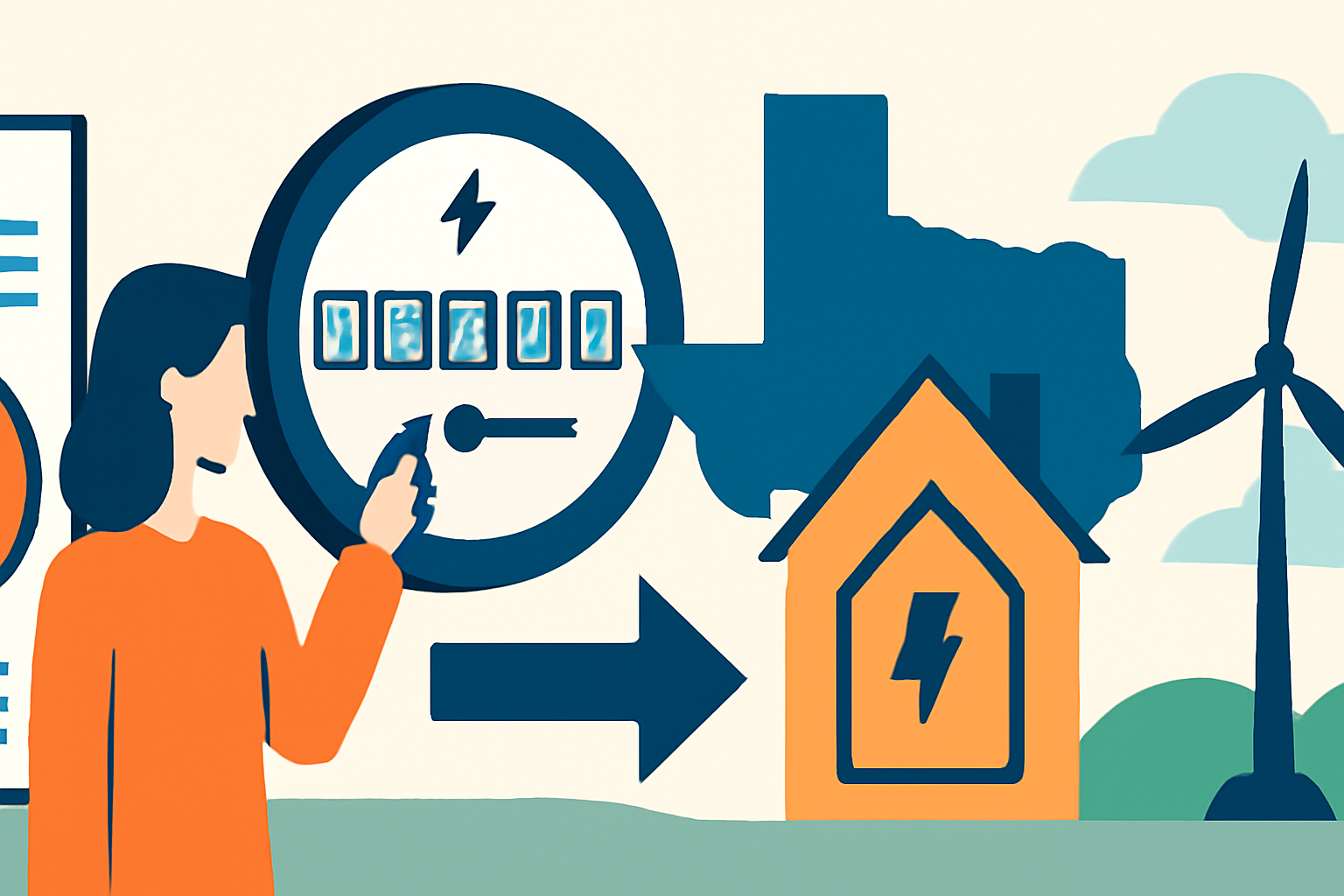
Your meter reading measures how much electricity you actually used during a billing period, and it directly determines your supply and delivery charges. Readings can be actual, meaning someone or something recorded the real number from your meter, or estimated, meaning the utility calculated a likely usage figure based on past patterns.
- Actual readings come from a physical visit or a smart meter transmitting real-time data, giving you the most accurate charge for the period.
- Estimated readings happen when access to the meter is limited or equipment issues prevent a direct read, and they get corrected once an actual reading is taken.
- Any gap between an estimated and later actual reading shows up as an adjustment on a future bill, so a sudden change in your total isn't necessarily an error.
What Is a Billing Cycle and Why Does It Matter?
A billing cycle is the roughly monthly period between meter readings that your utility uses to calculate your charges. The exact read date can shift slightly from month to month depending on weekends, holidays, or route scheduling for meter readers.
Because the number of days in a cycle can vary, your total usage and bill amount might change even if your daily habits stay the same. Comparing bills by looking at a per-day usage figure, rather than just the total, gives you a clearer picture of whether your consumption is actually rising or falling.
How Does Pennsylvania's Energy Choice Program Affect Your Bill?
Pennsylvania's deregulated electricity market allows you to choose a company to supply your electricity separately from the utility that delivers it. This means the supply charge on your bill can come from a competitive supplier rather than automatically defaulting to your utility's arrangement.
When you select a competitive supplier, your bill will typically still come from your utility, but the supply line will reflect your chosen supplier's pricing and plan terms. Your utility continues to handle delivery, meter reading, and outage response regardless of which supplier you pick. This separation is the core idea behind the choice program, and it's designed to let you shop for supply terms that fit your household without changing who maintains the wires to your home.
Where Can You Get Help Understanding or Disputing Your Bill?
The Pennsylvania Public Utility Commission (PA PUC) oversees utility billing practices and provides a formal process for resolving disputes you can't settle directly with your utility. If a charge looks wrong or you don't understand a line item, your first call should go to your utility, since many issues are simple to clarify or correct.
If a billing question involves your supply charge or you're trying to understand your options under the choice program, Gatby can help you compare available supply plans and understand how different terms might affect your bill. Gatby connects you with supply options and helps you manage your choices, but it does not deliver electricity or act as your utility. For disputes that your utility can't resolve, the PA PUC remains the appropriate regulatory body to contact.
Frequently Asked Questions
What's the difference between the delivery charge and the supply charge on a PA electric bill?
The delivery charge pays for transporting electricity through your utility's poles and wires, while the supply charge pays for the electricity itself. Your utility, such as PECO Energy Company or PPL Electric Utilities, always handles delivery because it owns the local infrastructure. Supply, on the other hand, can come from your utility's default arrangement or from a competitive supplier you've chosen through Pennsylvania's choice program. These two charges are listed separately on your bill so you can see exactly what you're paying for each service. Even if you switch suppliers, your delivery charge and the utility handling it stay the same, since delivery isn't something you can shop around for in a deregulated market like Pennsylvania's.
Why does my meter reading sometimes say 'estimated' instead of 'actual'?
An estimated reading happens when your utility can't get a direct read from your meter during a billing cycle, often due to access issues or equipment problems. Instead of leaving the bill blank, the utility calculates a likely usage figure based on your historical consumption patterns. Once an actual reading is taken, any difference between the estimate and the real number is reconciled on a future bill as an adjustment. This means you might see a higher or lower charge later that isn't a new problem, but a correction for a past estimate. Smart meters have reduced how often estimated readings occur, since they can transmit usage data automatically rather than requiring a manual visit to the property.
Does my billing cycle length change my bill amount?
Yes, because a billing cycle is roughly a month but not always exactly the same number of days from one cycle to the next. Factors like weekends, holidays, or meter-reading route schedules can shift the start and end dates slightly. A longer cycle naturally captures more usage days, which can make your total look higher even if your daily habits haven't changed. Comparing your bills using a per-day usage average, rather than the total charge alone, gives you a more accurate sense of whether your consumption is trending up or down. This is especially useful when comparing bills across different seasons, since day count and weather both affect your total in ways that aren't always obvious from the summary total alone.
How does Pennsylvania's energy choice program change what I see on my bill?
Pennsylvania's choice program lets you select a company to supply your electricity separately from the utility that delivers it to your property. If you choose a competitive supplier, your bill will typically still arrive from your utility, but the supply charge line will reflect your chosen supplier's pricing rather than the utility's default arrangement. Delivery charges, meter reading, and outage response stay with your utility no matter which supplier you pick, since those services aren't part of the competitive market. This structure is meant to let you shop for supply terms that suit your household while keeping the physical grid maintenance consistent and reliable. Reviewing your bill's supply section regularly helps you understand whether your current arrangement still fits your needs.
Who do I contact if I think there's an error on my Pennsylvania electric bill?
Start by contacting your utility directly, whether that's PECO Energy Company, PPL Electric Utilities, Duquesne Light Company, Metropolitan Edison Company, Pennsylvania Electric Company, Pennsylvania Power Company, or West Penn Power, depending on your service area. Many billing questions, like a miscalculated reading or an unclear line item, can be resolved through a straightforward conversation with their customer service team. If the issue remains unresolved after working with your utility, the Pennsylvania Public Utility Commission (PA PUC) provides a formal process for filing a complaint and seeking review. Keeping copies of your bills and any correspondence helps support your case if you need to escalate. For questions specifically about supply options or comparing competitive plans, Gatby can help you understand what's available without taking over utility-specific billing disputes.
Can Gatby help me lower my electric bill in Pennsylvania?
Gatby helps you find and compare competitive supply options available under Pennsylvania's choice program, so you can understand what different plans offer for the supply portion of your bill. Gatby connects you with suppliers and helps manage your selections, but it doesn't supply electricity itself or replace your utility's role in delivery and billing. Your utility, such as Duquesne Light Company or West Penn Power, will still handle meter reading, delivery charges, and outage response regardless of which supplier you choose. Reviewing your usage patterns and current supply terms is a useful first step before comparing new options. Any change in your supply arrangement will show up as a new line item on a future bill, while your delivery charge and utility relationship remain unaffected.
Related reading
Let Autopilot take energy shopping off your plate — just enter your zip code
Table of Contents
Table of Contents
You may also like