Why Does Energy Usage Change by Season in Illinois?
See why Illinois homes served by Commonwealth Edison and Ameren Illinois use more energy in summer and winter, and how to read seasonal usage shifts.

Written by Hash Manesia
Published on Nov 10, 2026
|
10 min read
Reviewed by Jeff Mahoney

Why Does Energy Usage Change by Season in Illinois?
Why Energy Usage Rises and Falls With the Seasons
Your home needs more energy whenever the temperature outside moves far from a comfortable indoor range. In Illinois, that means both winter and summer push usage upward, while spring and fall tend to ease off. Heating and cooling systems work harder as the gap between indoor and outdoor temperature grows, and that effort shows up directly in your energy usage.
This pattern isn't random. It follows the climate Illinois experiences each year, with cold winters and humid summers creating two distinct demand peaks. Understanding this rhythm helps you make sense of why your usage looks different in January than it does in April, and it sets up everything else worth knowing about seasonal energy planning.
What Happens During Illinois's Heating Season
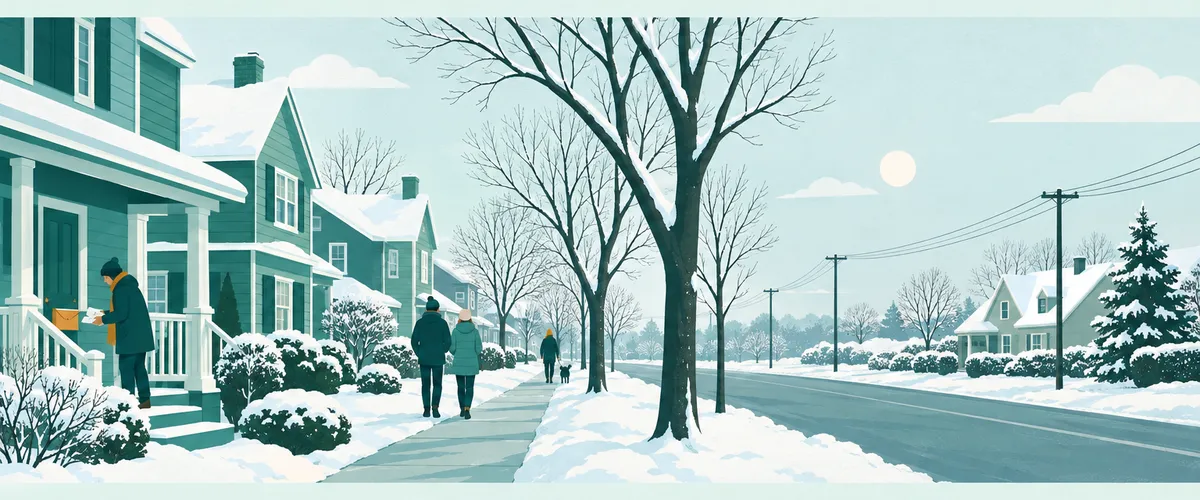
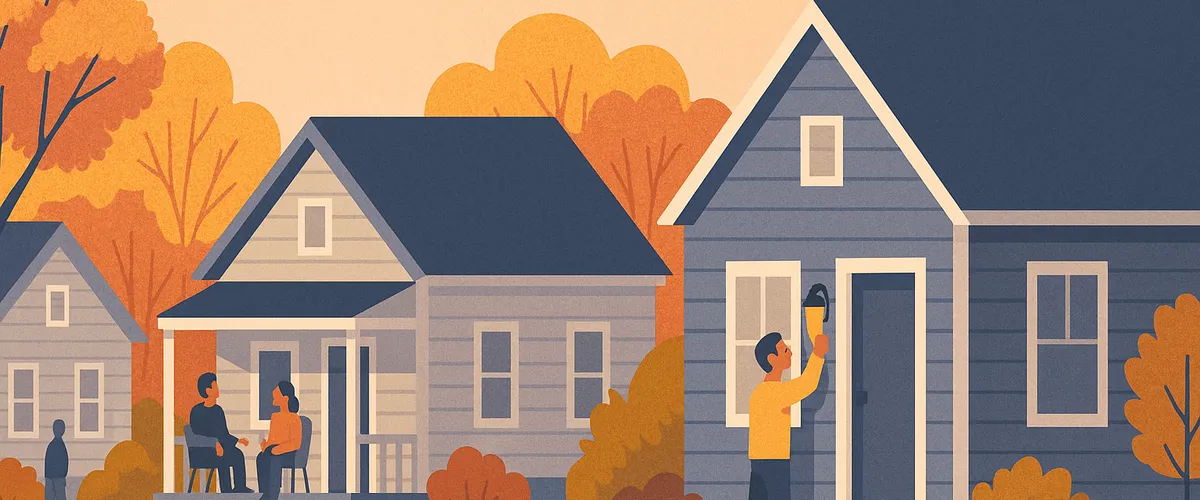
When temperatures drop, your furnace or heating system runs longer and more often to keep your home at a steady temperature. Illinois winters bring sustained cold stretches, so heating equipment can end up running for much of the day during the coldest months, not just overnight.
Homes relying on electric heating tend to see the clearest seasonal jump, since every degree of heating draws directly from the same energy source used for lighting and appliances. Homes with furnaces fueled differently still see a rise in electricity use, because blowers, ignition systems, and thermostats all draw power even when the heat source itself isn't electric. Shorter days also mean lights and electronics run longer, adding to the seasonal climb.
What Happens During Illinois's Cooling Season
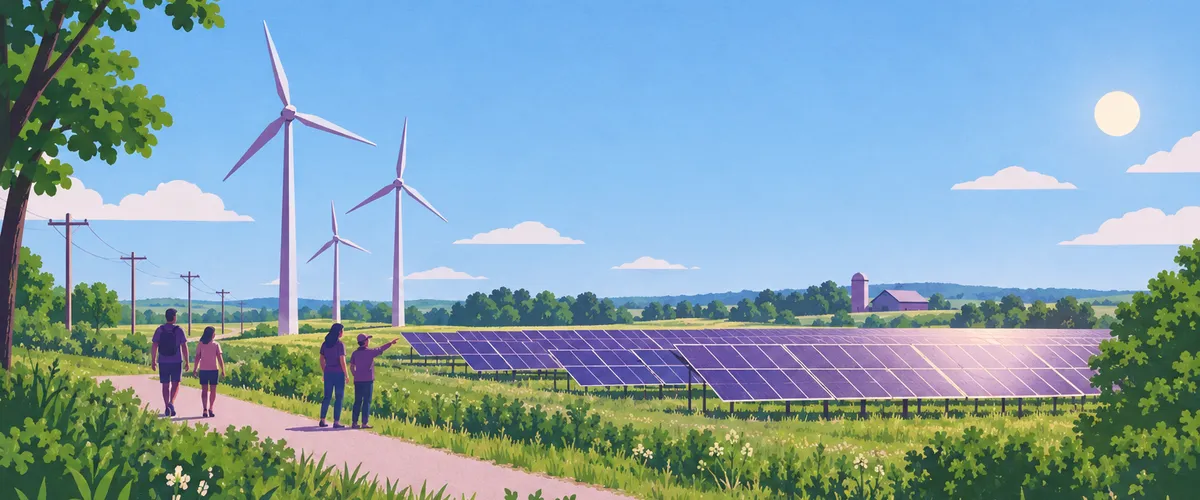
When summer heat and humidity set in, air conditioning becomes the dominant driver of household energy use. Illinois summers can bring stretches of high heat and humidity that keep cooling systems running for extended periods, especially in the afternoon and early evening when indoor and outdoor temperatures diverge most.
Humidity adds an extra layer of demand, because air conditioning systems have to remove moisture from the air in addition to lowering temperature. That extra workload means cooling-season usage can climb quickly during hot, sticky stretches, even if the thermostat setting hasn't changed. Fans, dehumidifiers, and refrigeration also work harder in warm months, compounding the seasonal rise.
How Commonwealth Edison and Ameren Illinois Track Seasonal Demand
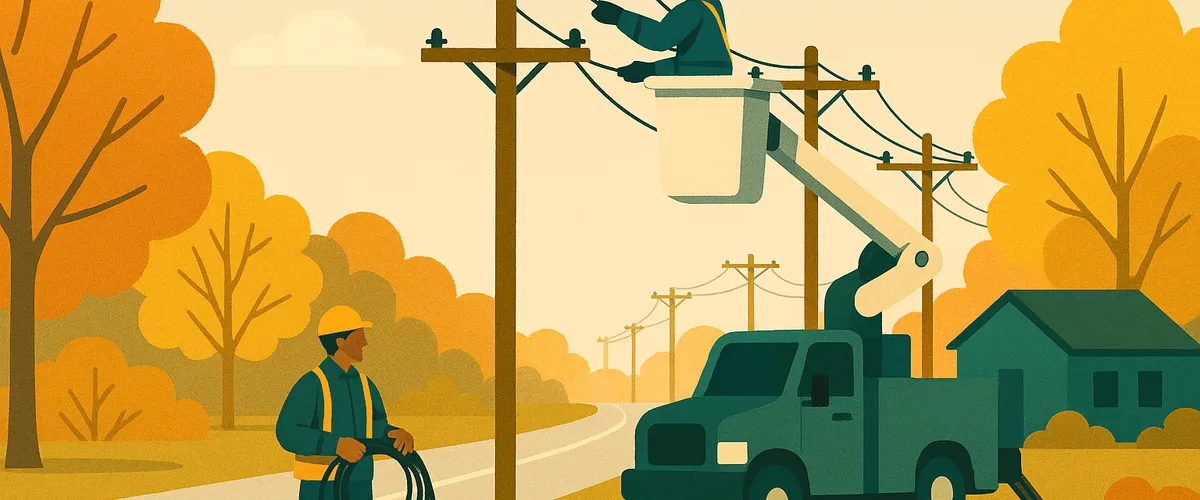
Commonwealth Edison and Ameren Illinois both monitor usage patterns across their service territories throughout the year to anticipate seasonal swings. This monitoring helps each utility plan for the higher demand that heating and cooling seasons bring, so the grid can handle the added load without strain.
Both utilities use historical usage data and weather forecasting to prepare equipment and staffing ahead of expected demand peaks. This planning happens behind the scenes, but it directly affects how reliably your power stays on during the most demanding weeks of winter and summer. Seasonal tracking also feeds into longer-term infrastructure decisions, since consistently high demand in certain areas can justify upgrades to local equipment.
Other Factors That Influence Seasonal Usage
Heating and cooling are the biggest seasonal drivers, but they aren't the only ones. Several everyday factors compound or ease the swings you see across the year, and recognizing them helps you understand your own usage patterns more clearly.
- Daylight hours shift lighting needs, since shorter winter days mean lights run earlier and longer than they do in summer.
- Insulation and air sealing determine how much heating or cooling effort it takes to hold a steady indoor temperature, so similar homes can see different seasonal swings.
- Appliance habits change by season, with slow cookers and ovens used more in cooler months and refrigeration working harder in warm ones.
- Household occupancy patterns shift usage too, since more time spent at home during extreme weather means more heating, cooling, and electronics use.
How the Illinois Commerce Commission Supports Consumer Awareness
The Illinois Commerce Commission oversees how utilities communicate with customers about usage and billing practices, including seasonal patterns. Its role is to make sure utility practices stay transparent and that customers have access to the information they need to understand their own energy habits.
The ICC doesn't set your individual usage or tell you how much energy to use, but it does hold utilities accountable for providing clear, accurate information. That oversight matters most during the seasonal peaks, when billing questions and usage surprises are most common. Knowing the ICC's role can help you understand where to direct questions about utility practices versus questions about your own household habits.
Reading Your Own Seasonal Usage Patterns
The easiest way to understand your own seasonal swings is to compare bills from the same months across different years. Looking at how your usage shifted from a mild month to an extreme one gives you a clearer picture than any general seasonal explanation can.
- Compare winter and summer bills side by side to see which season drives more of your household's seasonal swing.
- Note any changes in household routine, like more time spent at home or new appliances, that could explain a shift beyond typical seasonal patterns.
- Watch for stretches of extreme weather within a season, since a few unusually cold or hot weeks can skew a whole month's usage.
- Track whether usage returns to a similar baseline each spring and fall, which confirms the swing is seasonal rather than a lasting change.
How Gatby Helps You Plan Around Seasonal Shifts
Gatby helps you find and manage energy plans that take seasonal variation into account, rather than leaving you to figure out heating and cooling swings on your own. Gatby looks at how your usage shifts across the year and helps connect you with plans structured around that pattern.
Instead of treating every month the same, Gatby factors in the reality that Illinois households use energy differently in January than they do in July. That approach means the plans Gatby helps you find and manage are chosen with your actual seasonal usage pattern in mind, not just a single average.
Frequently Asked Questions
Why does my energy usage change so much between winter and summer in Illinois?
Illinois experiences both cold winters and hot, humid summers, and each season pushes your heating or cooling system to work harder than it does during milder spring and fall months. In winter, furnaces and heating equipment run longer to offset the gap between indoor and outdoor temperatures. In summer, air conditioning takes over as the main driver, working even harder when humidity is high because it has to remove moisture from the air along with lowering temperature. Shorter winter days also mean more lighting and electronics use, adding to the seasonal climb. Spring and fall usually sit in between, since outdoor temperatures are closer to comfortable indoor levels and heating or cooling systems don't need to run as often. Comparing your own bills across these months is the clearest way to see this pattern play out in your own home.
Do Commonwealth Edison and Ameren Illinois prepare differently for winter versus summer demand?
Both utilities monitor seasonal usage patterns across their service territories and use historical data along with weather forecasting to anticipate demand peaks. The preparation looks similar in structure for both seasons: reviewing expected weather, planning equipment readiness, and adjusting staffing for periods of higher demand. The specific peak times differ, since winter demand tends to cluster around sustained cold stretches while summer demand often peaks during hot, humid afternoons and evenings. This planning happens behind the scenes, but it's part of why the grid can handle added load during the most demanding weeks of each season without widespread strain.
What role does the Illinois Commerce Commission play in seasonal energy usage?
The Illinois Commerce Commission oversees how utilities communicate with customers about billing and usage practices, which includes how seasonal patterns are explained. It doesn't control your individual usage or set household-level expectations, but it holds utilities accountable for providing clear and accurate information, especially during periods when usage and billing questions are most common. That oversight matters most around seasonal peaks, when a sudden jump in a bill can be confusing without context. If you ever have questions about whether a utility's billing practices are transparent, the ICC's oversight role is the relevant place to look, separate from questions about your own household's heating and cooling habits.
Besides heating and cooling, what else affects my seasonal energy usage in Illinois?
Several everyday factors compound the seasonal swings driven by heating and cooling. Daylight hours shift lighting needs, since shorter winter days mean lights run earlier and longer. Insulation and air sealing affect how much effort it takes to maintain a steady indoor temperature, so two similar homes can see different seasonal swings based on how well they hold heat or cool air. Appliance habits also shift by season, with ovens and slow cookers used more in cooler months while refrigeration and fans work harder in warm ones. Household occupancy matters too, since spending more time at home during extreme weather means more heating, cooling, and electronics use overall. None of these factors replace heating and cooling as the main seasonal driver, but they explain why usage patterns can differ between households even in the same climate.
How can I tell if a usage change is seasonal or something else?
The clearest way is to compare the same month across different years rather than comparing adjacent months to each other. If your usage rises every winter and every summer but returns to a similar baseline each spring and fall, that pattern confirms a seasonal cause. If usage stays elevated even after the season changes, something else is likely contributing, such as a new appliance, a change in household occupancy, or an equipment issue. Watching for stretches of unusually extreme weather within a season is also useful, since a few very cold or very hot weeks can skew a whole month's usage beyond what's typical for that season. Tracking this over a couple of years gives you a more reliable picture than looking at any single bill in isolation.
How does Gatby factor seasonal usage into the plans it helps me find?
Gatby looks at how your household's energy usage shifts across the year, rather than treating every month as if it were the same. Because Illinois households typically use more energy during winter heating and summer cooling seasons than during spring and fall, Gatby factors that pattern into helping you find and manage plans suited to your actual usage. This means the plans Gatby connects you with are chosen with your seasonal reality in mind, not just a flat average that ignores how differently your home behaves in January compared to July. Gatby does not sell energy or act as a supplier; it helps you navigate and manage plans offered by others, with your seasonal usage pattern as one of the factors considered along the way.
Related reading
Let Autopilot take energy shopping off your plate — just enter your zip code
Table of Contents
Table of Contents
You may also like